Step-by-Step Action Trail Action Trail Technology

Open-Source & Self-Hosted Alternatives

Clean open-source and self-hosted alternatives to expensive SaaS tools.
29 Resources (Page 2 of 3) · Curated by @oss_viktor
Embed “Open-Source & Self-Hosted Alternatives” on Your Blog

Paste this lightweight snippet anywhere on your site or blog — renders cleanly via Shadow DOM without changing your layout or Storesso’s look:

0 of 10 steps completed
Step 11

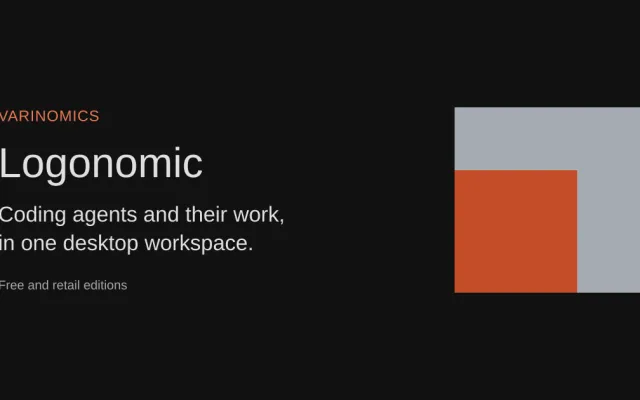
Logonomic | Varinomics

Curator’s note: Verified free tool resource on varinomics.com (424ms live load) added via HN Open-Source Tools.

“Logonomic groups the sessions of your coding CLIs by repository. Code changes, Git history, and CI results sit beside each conversation.”

Jump to Highlight ↗

Hello HN,I am Ioannis and I would like to introduce Logonomic, a desktop application we made to help us work with LLM CLIs (e.g. codex, claude, opencode etc) in a more organized way. It runs the CLIs already installed, with their existing accounts and configuration and organizes sessions by repository. It is available for Windows and Linux, with a preview for macOS.
Step 12

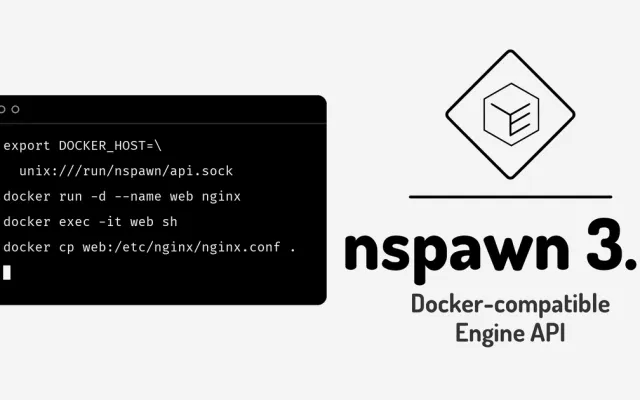
Nspawn 3.0: A Docker-compatible Engine API for systemd-nspawn containers

Curator’s note: Verified free tool resource on blog.nspawn.org (461ms live load) added via Lobste.rs Releases.

“2.0.0 gave the machines that mount docker’s socket a read-only Docker API, enough for Traefik or Dozzle to find them. 3.0.0 serves the API with its changes, on the host too. In between:”

Jump to Highlight ↗

nspawn 3.0.0 serves the Docker Engine API with its changes. The docker command works with DOCKER_HOST pointed at it, and GitLab Runner’s docker executor runs its jobs on nspawn’s machines.

Step 13

GNU Mes and the 0.28 release

Curator’s note: Verified free tool resource on ekaitz.elenq.tech (923ms live load) added via Lobste.rs Releases.

“This is the first official and serious release I make as a (co-)maintainer, and the whole thing makes me uncomfortable. Even though people treat me as an expert programmer sometimes, there are many things in programming”

Jump to Highlight ↗

It’s been a while since the latest blog post in the series but we have been working very hard behind the scenes 1. This means I’ll probably forget a few things from all we did, but there’s a good reason for that: we were making a release. This is the first official and serious release I make as a (co-)maintainer, and the whole thing makes me uncomfortable. Even though people treat me as an expert programmer sometimes, there are many things in programming that I struggle a lot with.

Step 14

0.17.1 Released ⚡ Zig Programming Language

Curator’s note: Verified free tool resource on ziglang.org (643ms live load) added via Lobste.rs Releases.

“This is a bug fix release addressing more than 57 issues reported after the 0.17.0 release, with a particular focus on regressions and upgrade blockers.”

Jump to Highlight ↗

This is a bug fix release addressing more than 57 issues reported after the 0.17.0 release, with a particular focus on regressions and upgrade blockers. Most users who were unable to upgrade to 0.17.0 should be able to upgrade to 0.17.1.

Step 15

Announcing Pitter Patter!

Curator’s note: Verified free tool resource on handlewithcare.dev (508ms live load) added via Lobste.rs Web/Design.

“What is Pitter Patter? Pitter Patter is an open source toolkit of feature-complete building blocks for collaborative rich text editors, made with ProseMirror.”

Jump to Highlight ↗

At Handle With Care, we spend a lot of time working on different editing experiences, and we felt that the text editing toolkits that exist right now in the ProseMirror ecosystem fall short. There's a huge need for better editing and collaboration experiences (especially with the rise in AI interfaces!) that are open source, use-what-you-need, and flexible enough to grow with your product. What is Pitter Patter? Pitter Patter is an open source toolkit of feature-complete building blocks for collaborative rich text

Step 16

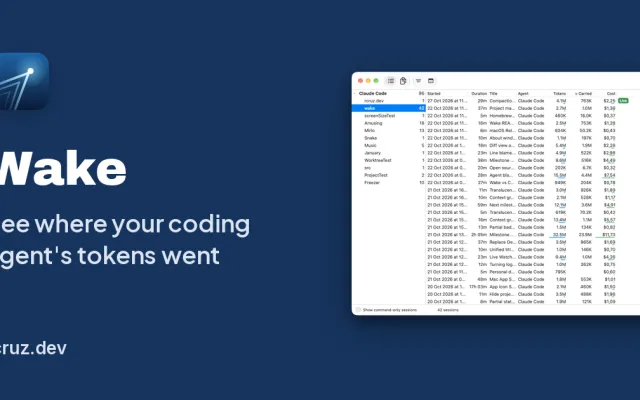
Wake - See where your coding agent’s tokens went

Curator’s note: Verified free tool resource on rcruz.dev (265ms live load) added via HN Open-Source Tools.

“Hit your usage limit by lunch? Wake reads the transcripts Claude Code keeps on your Mac and shows you what filled your context, and what would have sent less.”

Jump to Highlight ↗

Hi everyone, I'm Ricardo and I've made a (free & Open Source) macOS app for knowing where my Claude Code subscription tokens went.I think subscription allowance will either be limited in the near future or prices will go up, that's why I've started trying to optimise my prompts and tools.Using Wake I've discovered interesting things like I can cut $0.50 in tokens to just $0.02 on large contexts if I clear the context just before asking the agent to commit the changes.

Step 17

Announcing NetBSD 11.1 (November 2, 2026)

Curator’s note: Verified free tool resource on netbsd.org (656ms live load) added via Lobste.rs Releases.

“Hashes, signed with the NetBSD Security Officer's PGP key, of all files in the distribution.”

Jump to Highlight ↗

Download 11.1 from our CDN: amd64 USB, amd64 DVD, i386 USB, i386 CD-ROM, sparc64 DVD, sparc64 CD-ROM, macppc CD-ROM, RISC-V devices, Cavium Octeon MIPS devices, Nintendo Wii, various Arm devices, full release dir with everything else. Hashes, signed with the NetBSD Security Officer's PGP key, of all files in the distribution.

Step 18

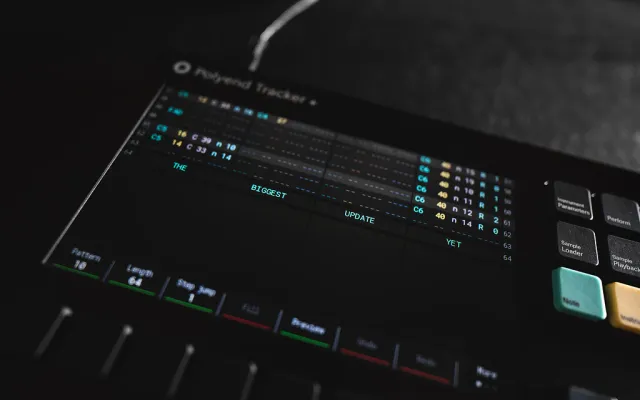
Tracker. The biggest update yet

Curator’s note: Verified free tool resource on backstage.polyend.com (1604ms live load) added via Lobste.rs Releases.

“Polyend releases the Tracker firmware source code Today we’re publishing the firmware source code for the original Tracker, Tracker+ and Tracker Mini on GitHub.”

Jump to Highlight ↗

Polyend releases the Tracker firmware source code Today we’re publishing the firmware source code for the original Tracker, Tracker+ and Tracker Mini on GitHub. We’re also releasing Tracker Community Edition 1.0 with tons of new features and improvements. You can install it on any of the three instruments, modify the firmware yourself and share your own version. We’ve built in a recovery system to keep a faulty firmware build from bricking your Tracker. Explore the Tracker Community Edition ...

Step 19

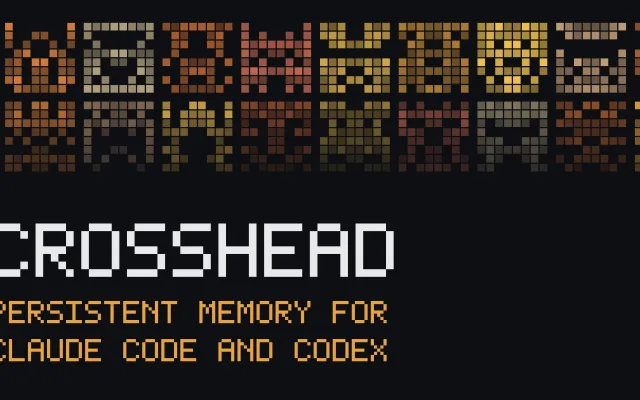
Crosshead: persistent memory for Claude Code and Codex

Curator’s note: Verified free tool resource on crosshead.sh (289ms live load) added via HN Open-Source Tools.

“New chat? Switching from Claude Code to Codex? Crosshead carries recent decisions, corrections and next steps into the next session—so you spend less time repeating yourself and more time getting work done.”

Jump to Highlight ↗

Hi HN,Have you ever been using Claude Code or Codex and run into a limit that ruined your flow? Claude says you’ve hit your limit but you’re knee deep in a refactor and want to keep going. Switching to Codex in that situation requires either having up-to-date handoff docs or rebuilding context from scratch. In both cases, you burn tokens just to handle moving context from one thread to another. Or maybe you have a great session, then compaction comes along and your agent forgets half of the important details.I run

Step 20

AI Code Review That Enforces Your Standards | Revix

Curator’s note: Verified free tool resource on revix.ai (608ms live load) added via HN Open-Source Tools.

“Issues caught by Revix AIProTwice the usage, plus Jira, Slack and expert rule supervision.”

Jump to Highlight ↗

Hello, I’m Oscar. I’ve been leading dev teams from Barcelona with my cofounder Uri for a long time. We pushed the use of AI a lot, allowing an increase in the code shipment velocity, but our job as seniors moved from building to just reviewing. We also started to see a lot of drift in how devs were doing the code, less standards, less control, which caused more bugs and differences between what product department asked and what we shipped.